This is my page list

Monday, April 20, 2026

Life in the Jungle

We are absolutely loving the experiences we are having in Ecuador. It's a lot of rewarding hard work and there are a few things about the jungle that many of you might be interested to learn. 

Bug Bites and Itching

At any particular time, we can count well over 100 red dots on our bodies. No joke. 


They are certainly more concentrated near our ankles, and these little buggers are often itchy. We've been told the majority of bug bites are from stealth little sand flies. They are nearly invisible, but they really bite!  Most of the time you don't even know when you're being bitten - you just itch like hell later and see a red circle with a darker pin point in the middle. Recently some of the red dots have developed a white head much like a pimple. It's hard to know if these are bites or something else. Awesome. I guess we hope they are bites, and that they will subside in a day or two. 

As if that wasn't bad enough, in our second week a new volunteer, Skye, said she had a whole whack of ticks on her chest and back. We hadn't seen any, so didn't think too much about it. A couple days later - WITH GLASSES ON - duh - we found one. With a head lamp and glasses on, Paul found about 20 little monsters on Gayle just before bed. Needless to say Gayle didn't sleep so well that night! They are much smaller than the Canadian style we are used to, but just as gross. A couple days later,  we found at least 40 on Paul - they were so tiny they just looked like a speck of sand or a tiny mole.  Tick checks are now a regular nightly occurrence. It's good to have routines!

Dirty and Smelly

Every day starts with clean clothes that have been thoroughly hand washed and air dried (for at least 2 days!) At 7 am we walk up 100 stairs to start our cleaning and feeding routines. Everywhere we go requires going up and down stairs. By breakfast at 9 am it's usually 29 degrees and we are drenched with sweat. Add to that the fact that we've cleaned old food, animal waste and dirt from the feeding cages -- we're starting to smell. On our first trip to town body spray was high on Gayle’s list, but perfume and deodorant really do not help much. By lunch at 1:00 pm, we've been working at other tasks like raking or giving tours (more stairs) and it's now 32 degrees. We are always hoping for an afternoon rain storm. We visit the animals (yes more stairs) again for enrichments and feeding and finish the day around 3:45 - completely and utterly filthy. Descending the 100 stairs for the final time, usually means a swim, then a well needed shower! The reward for all of this is that the after work routine also includes a trip to the outdoor lavanderia, or clothes wash station. It's a daily reminder of how much we have accomplished (and another opportunity to interact with sand flies).

Creepy Crawlies

I have just typed the title to this section - inside the Grand Selva Lodge lounge - and a bat flew right past me! It's the jungle, so there are spiders, bugs and lots of other crawling things everywhere. We have seen countless tarantulas! Before putting on any foot wear we shake and dump it to make sure there are no scorpions or bullet ants (they bite so hard it feels like you are getting shot - don't worry it only lasts for 6 hours!)

Being assigned to Night Watch (feeding) is particularly fun because so many things come out at night - walk slowly - keep your hands to yourself and kick the food buckets before you pick them up!

Hot and Humid

You've already read about the temperature - now add humidity. I has rained for a least a few minutes almost every day. It takes about 2 days for clothes to "dry" after washing. Clothing, money and even passports go moldy in our rooms. Paul’s wireless mouse stopped working because the battery contact corroded badly. After nearly 3 weeks, we have grown accustomed to being sticky all day long. We really notice it when giving tours. Most of the visitors struggle - the first 100 stairs takes a lot out of them - and then we drag them up and down stairs for over an hour watching them "melt" steadily. Most relish the cold drinks at the gift shop when we are done.

We’re here for a few more days so if you want to stop by for a quick visit to see for yourself, let us know. 

Saturday, April 18, 2026

How to Poop in The Amazon

After our winter excursion and the post about "How to Poop in the Woods", you probably suspected this one was coming. You were right. Here is what I've learned so far about pooping and not pooping in the Amazon.

Before going any further, let's just remember we are working with animals in the jungle and poop is everywhere! We clean poop from animal enclosures everyday and Paul was dumped on by a rather large wild macaw while guiding a tour of Canadians! Ok, back to the story...


From what we've observed, flush toilets are common in Ecuador. However, in most places septic or city sewage systems are not robust enough to handle flushing toilet paper. The solution - put the tp in the waste basket next to the toilet. As you can imagine the crappiest (pun intended) and my least favourite volunteer chore at AmaZOOnico is "Basura" because for this job you empty all garbages - bathroom toilet paper baskets included. Gloves are a must, as is hand washing every 5 seconds!!!

You will be pleased to hear that 2 bathrooms in the tour reception area are "toilet paper positive." If you know it's going to get messy, you'll want to head there! Nuff said.

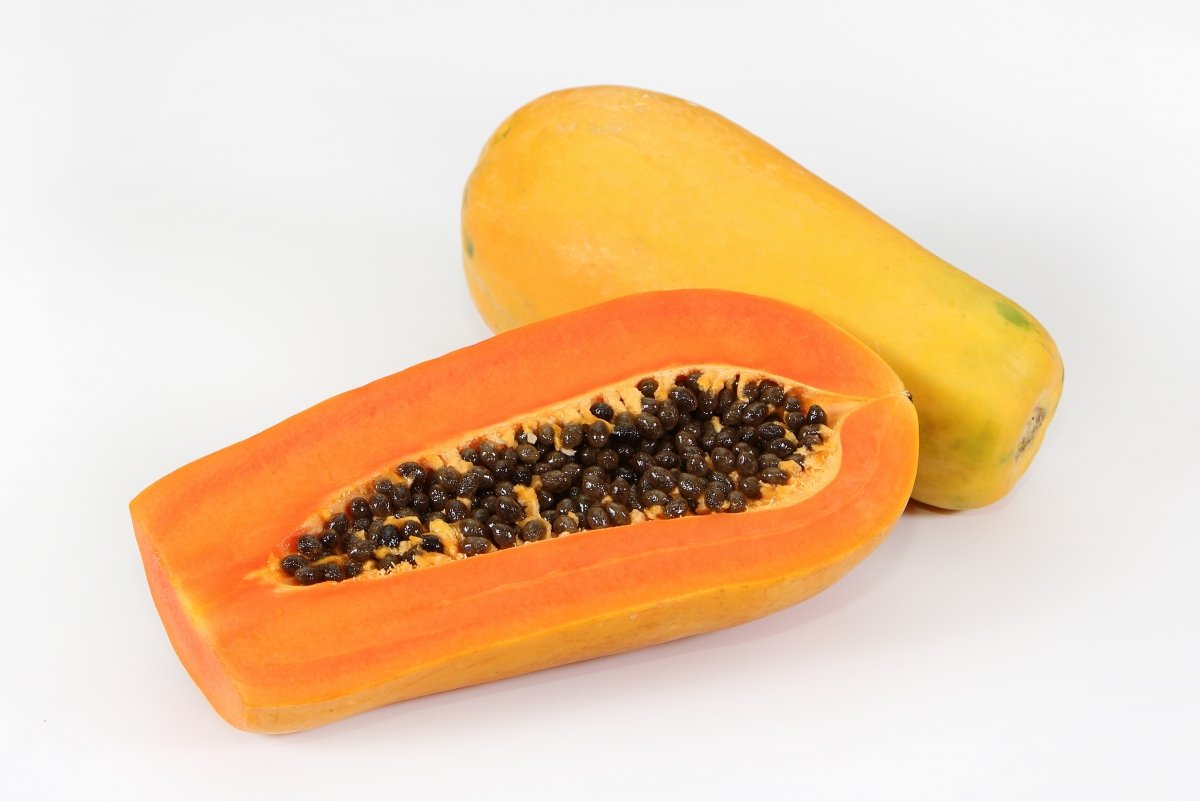
Now, for my bathroom travel reality. Often when I'm new to a place, I get a little "bunged up", as my parents used to say. This is probably due to different food and lack of hydration, which is completely my own fault. Full disclosure - I recently got a little constipated and after 4 days of struggle, I had an epiphany, "I'm in the Amazon, so there must be a medicinal plant to help with my ailment." I went to our Admin, bared my soul. Having no answer, what did she do? She went to the local Indigenous Kichwa staffers, of course. The general consensus was to eat papaya and in more severe cases, eat papaya seeds. Easy. We feed papaya to almost every animal so there is no shortage of these slimly little round seeds.


I went directly to the "bodega" and soon I was crunching down on a tablespoon of papaya seeds. If you've not tried them, I recommend it. They are quite tangy, with a fair bit of spice and crunch. I took another tablespoon of seeds later in the day, just in case. I'm not sure if I ate the fast acting seeds, but in about 10 hours things were moving and I POOPED!!! Big sigh of relief.

I think I'll leave it there. If you have any specific questions, email or text. I'm happy to share more. But something tells me I've already shared too much.

Thursday, April 16, 2026

Days Off in Ecuador

Just to let you know, it's not all "work hard an no play" here in Ecuador. Since there are up to 21 volunteers and a wide variety of tasks at Amazoonico, on Sundays a new schedule of rotating assignments is released for the next week. This includes animal feeding stations, extra tasks (cleaning, cooking, etc.) and our days off.

Each volunteer has 2 days off each week - kind of like a weekend, but since the animals need to be taken care of every day, days off are unlikely to be on weekends and are not necessarily consecutive. How we use those days is up to us. Many volunteers take days off to visit Tena, the local city to eat and pick up treats (alcohol). It's a bit of a haul to take the canoe and then a bus - anywhere from 1.5 - 2 hours each way. Additionally we are surrounded by tourist-type opportunities that are likely going to be worth experiencing (waterfalls, Indigenous communities, rafting, tubing and jungle hikes to name a few).

Canoe Ride to Catch the Bus

Our first two days off were quite uneventful as we stayed at Amazoonico for both days (Saturday and Sunday). We were able to sleep in a little, do some laundry (hand washing of course), catch up with some blogging and other things that needed internet access (which we can find at the local school when the kids are gone). We even took some time to throw a disc at the nearby school. (The "field" is not very big and full of pot holes and long grass.) 

By the time Sunday rolled around, you will not be shocked read, that we were pretty well done with resting so we began looking for more productive ways to use our time. During the previous week, volunteers had reported that the water in the Spider Monkey feeding enclosure had been leaking. So I decided to check it out and discovered that the cement around the drain had started to deteriorate. I recruited Gayle and we went to the Carpenteria to look for some cement to create a patch. A little while later, the fix was in place (and the next day, I saw a monkey drinking from it). We did have the pleasure of attending a true Ecuadorian wedding, and were so grateful to see many interesting customs and traditions. 

On our second day off Gayle decided to bake a banana bread - which was a huge hit with the volunteers and staff at the weekly Sunday afternoon meeting. Still looking for tasks, we took on the highly glamorous "bathroom cleaning" chore to replace a couple of the volunteers who were off sick (so far there have been 1-2 volunteers out every day due to some form of illness - wash your friggen' hands people) All in, our two days were restful, but a little too slow for us. And honestly, we need to take advantage of the local opportunities a bit more.

We decided to use our next days off differently. In our second week, we had Thursday and Friday off. That means we worked a whole 3 days before taking a break. We booked a canoe to pick us up at 7 and take us to the Puerto Barrantilla. (You can try to look it up on Google Maps but it rarely shows up. It would be more aptly named Playa Barrantilla, because there is nothing there - just stairs to the water.)


From there we walked 2 minutes to the road and waited for a bus.  We’d heard that busses can be unpredictable and to our surprise we hoped aboard an air conditioned bus bound for Tena about 15 minutes later. It must have been an express, because we arrived in just over an hour.  

We had a quick breakfast in a bakery and then hit the busy streets to pick up a few things that we needed (well, mostly wanted). Gayle was hunting for a new shirt but got pants instead. We avoided buying any chickens (alive or dead) and had no desire to purchase the giant grubs at the market. We picked up some food at the grocery store as we wanted to make something special for the volunteers when it was our day to cook. The most important part of our day in Tena was, of course, lunch.

Since we’ve been eating a lot of rice, beans, and lentils, I’ve been hankering for a hamburger for a while. We found "Crazy Burger" on the map and made a bee line at 11 am - the opening time.  Upon arrival, we helped set up the 2 tables and chairs.  The lady worked really hard to explain things in English. I pretty much stopped listening when she said, “is big” and she used a hand gesture to show about 6 inches!

I was not disappointed in my double cheeseburger with 2 patties, 2 fried eggs, 2 slices of cheese, 2 slices of ham, 2 slices of bacon, tomato and lettuce.  It was so huge that I had to eat it in two parts.

Bellies full we boarded the bus for the Grand Selva Lodge.  We weren’t expecting anything too “Grand” as the Booking.com price was just 19 USD - including breakfast.  However, we were pleasantly surprised by a very nice place with a pristine pool and warm showers. We shared the entire place with a French family and joined them on their night time jungle walk - which was an unexpected treat. Gayle turned out to be the "eagle eyes" and spotted more interesting creatures than the guide! The next day we negotiated a late checkout and walked an hour back to meet the canoe to take us back to Amazoonico at 4 pm. Arriving back we learned that the power had been out for two days! 

More days off are coming up and you can expect to read about a waterfall hike.

The Pool at Grand Selva
Fresh off the bus
A cool frog that Gayle found


Monday, April 13, 2026

Don't Be Fooled

By now you know that we are volunteering for a month at a place called AmaZOOnico. But as we say in our tours, “Don't be fooled. This is not a zoo, but a wildlife rescue and rehabilitation centre. As tour guides we share some of the animals’ stories with guests at the centre so we thought it was about time you hear a few too.

Esmeralda is the very large anaconda that is a fan favourite at AmaZOOnico. She arrived way back in 2007 when a man showed up, claiming he'd found her slithering around the gas station in the local city, Tena. It was a very suspect story, as the snake was likely a pet and the fellow was likely tired of taking care of her. Upon arrival, Esmeralda was about 1.5 m long. Now, she dazzles tours with her 4 m length and 40 pound weight. Although she does still have her fangs (many trafficked snakes have had them pulled) she’s not the best hunter. Baby chicks have been known to hang out and even start cohabiting with the anaconda. Because of her lack of hunting prowess, Esmeralda will remain at AmaZOOnico for the rest of her days.  We also share that many snakes are trafficked for tourist attractions. You've seen pictures of snakes wrapped around people. Heck, we've even done it! But little did we know that snakes are harmed by sunscreens, perfumes and colognes. AmaZOOnico has a “no selfie” policy to help combat the normalization of using wild animals for the tourist and pet trade. 


We have a lovely, mature pair of Scarlet Macaws, Solano and Bilana. These two both arrived from the pet trade, and had their wings broken to stop them from flying away. They hang out in the garden next to the main dining area and office. They get around by using their beaks and feet, and are quick to get to their elevated feeding platform when it's feeding time. From time to time four Scarlet Macaws that were successfully released from AmaZOOnico return to visit Solano and Bilana. The “chatter” is very loud, as the birds are likely swapping stories of their adventures. Word in the jungle (and that's this literal Amazon jungle) is that people can sell a captured Scarlet Macaw for $10 000. That buys a lot of platano and yuca!

Another favourite on the tour are the three tapirs: Navidad, Poppy, and America. We actually don't use any animal names on tours as this promotes normalization of wild animals as pets, but for ease of communication we do use their names among the staff and volunteers. Navidad arrived on December 26, 2011, as a baby because her mother was killed by hunters (bonus points for figuring out her name). She was raised by workers at the centre and is one of the few animals tame enough to enter her enclosure when feeding. But let's be honest, Gayle is quite content to admire Navidad from afar when it's feeding time. She’s had two babies, one being released into the wild and the other being Poppy. Tapirs are large mammals, weighing up to 250 kg (600 lbs). They are relatives of horses, although many say they look more like pigs. Tapirs are more active at night, and use their strong sense of smell to track down food. They really are cute looking creatures, but you wouldn't want to meet one in a dark alley from what we hear.

The white collared peccaries are interesting characters as well. In a way, they are the OG's or founding members of AmaZOOnico. Let us explain. Back in 1991, a local Kichwa man met a visiting Swiss researcher. They fell in love and decided to get married. As local tradition had it, young couples were given a pair of peccaries as a wedding gift - something not on your typical registry in Canada. This couple decided they did not want to kill and eat the peccaries, but rather save them and give them a natural existence. And from this AmaZOOnico was born. Peccaries travel and hunt in groups, and there are 13 currently at AmaZOOnico. Depending on the year, up to 6 are released to keep local populations healthy, which provides the local indigenous people a sustainable food source. Peccaries can also be dangerous, and have been known to surround their prey and attack with their sharp tusks. Note: We do not enter their enclosure under any circumstances and riding the wild peccaries is not allowed.;)

We hope this gives a little insight into the backstories behind a few of the animals. Stay tuned for the story behind the spider monkeys. It's one of intrigue, romance, rescue, release and escapes!


Friday, April 10, 2026

The Experts Among Us


When visiting places like Amazoonico that have a large contingent of volunteers, you learn quickly that the experts are all around you. It’s got nothing to do with age or the work you do at home - there is definitely a “proving period”. Telling everyone that I was a Principal or that I coach or that I fix stuff is not sticky - being part of the team and demonstrating skills, curiosity and learning is what matters. 

Volunteers here can stay as little as 4 weeks and some are here for a year!  During our orientation with Adam, one of the admins, we learned that he’d only been here since December.  Adam, though quite young himself, is gracious and skilled at asking others, especially the local staffers who have been here a long time, for their advice and opinions. 

On the first day of work, we were being trained by some "20 somethings" who were in their second week. Honestly, there were so many new things to learn that I had difficulty doing the math - how would I have enough experience to train someone in 2 weeks? It’s now Saturday, our 6th day, and the new schedule has just come out. I’ll be training a new person on Tuesday! Wow! I am so grateful to my mentors (Mia, Zoltan, Virgile) who have taught me the animal care routines so well. And to our “experienced” guides (Christina, Mia and Phillip) who showed us how to lead tours of the animals.  

Thinking back to February and our snowshoe trek- one of the expectations was to “ask for and accept help”. For many of us (me included), this is a difficult mindset and when pulling toboggans across frozen portages it proved to be both beneficial and necessary. Given our recent learning experiences in the jungle it has become even more clear to me that when working towards a common goal, a group with an “ask for and accept help” culture is more likely to achieve success. 

Sunday, April 5, 2026

Our First Official Tour!!!

Let's recap. We arrived at AmaZOOnico Sunday at noon, shadowed two tours on Monday, shadowed one tour on Tuesday, practiced tour guiding after work on Wednesday, and were given the go on Thursday for our first tour. Here's the low down on how it went.

We met our family of 5 at the reception area and learned they were Ecuadorian. What??? No pressure for two very Canadian, English speaking people. We were assured an English tour would be great, so we started our welcome and introductions, naturally laying on the charm. The parents seemed to be interested, the teenage kids, not so much. Hum, just like school at home ;)

First stop - the tortoises and turtles. We played "find the first tortoise", shared some interesting facts, and answered a few questions. There is no way they thought this was our first tour. We were definitely killing it!

Second stop - the empty anaconda enclosure, empty for cleaning, not because of an escape. We shared "Esmeralda's" back story, and were quick to notice the youngest daughter, who was about 11, had started to cry. What to do when someone starts crying had not been covered in the training. Go figure. Usually at school when a student cries, we grab the kleenex box and offer one. Seeing as we're in the Amazon RAIN forest with no dry tissue (or dry anything else) anywhere, we made a quick decision. Just ignore it - seemed smart!

Third stop - the scarlet macaws. By now, tears were streaming down our crier's face. Maybe it was the fact that the snake never learned to hunt or that the birds both had broken wings that was causing the tears. Regardless, it was too obvious to be ignored. We asked the dad if there was anything we could do. He assured us the tears had nothing to do with us or the tour. Alright then. We carried on, even if it was a lie.

Our next stops included the tapirs, the caiman, the coatis, the peccaries, and the tayras. Only the dad seemed really interested, but at least the crying had stopped. At this point we needed a lucky break, something super cool or exciting to increase the positive vibes. And like a gift from the heavens (or trees), out popped Kiwi, the male Wooly monkey.


Everyone loves Kiwi. He is a good looking, robust male with a ton of personality, and for being only 3 feet tall, he certainly steals the show. He swings in the trees, walks along the top of a rope and sometimes just poses! We were sharing cool facts about the Woolies, and failed to notice that the crier had slipped over to get a closer look at the tayra. Tayras are closely related to weasels, and are known for being very vicious. Just as we turned our heads we noticed the crier was about to stick her fingers into the cage, and "pet" the tayra. Oh shit. Trying not to yell as that would surely inspire more tears, we both gave a firm "stop", doing our best not to freak her, or her parents, out. It was a VERY close call, but no one was bitten, no fingers were lost, and no rabies shots were needed. Thank goodness!

Over the course of the tour, which you will remember was delivered in English to a mostly Spanish speaking family, we discovered that the girl couldn't understand English at all and dad was quietly translating some of our information. I guess he forgot the part where Gayle explicitly said, DO NOT interact with the animals.

It took a few more stops for our heart rates to settle, but we wrapped up the tour successfully with a couple of spider monkey sightings and a strong finish with the toucans. We wrapped things up with a thank you for coming, buy a drink in the reception and a locally made souvenir from the gift shop.

All things considered, our first tour WAS eventful. We're pretty sure that would have been our last if the girl had actually been bitten.

Friday, April 3, 2026

Our first day at AmaZOOnico

Today was our official first work day at AmaZOOnico, and it was jammed packed with lots of goodness.


One of us started the day by waking up at 4:30 with the local rooster (guess who that was?), and the other woke up at 6:00 with the sound of gentle rain (after it absolutely dumped rain overnight!) We got dressed in our best work clothes, donned our rubber boots, and made our way to the fruit drop for 7am. Every Monday and Thursday about 15 local women arrive by canoe and drop off fruit they've sold to feed the animals. And it was a lot of food! We, along with our volunteer crew of 12, then slugged big bags of papayas, oranges, lychee, bananas, plantain, yucca, and a few other Amazon fruits up the stairs to the bodega - the place where animal food is prepared. It's about 100 stairs from the boat to the bodega.

With this task behind us, we headed out with our “mentors” to clean out yesterday's food compost from various animals. Phillip, a young Danish guy, showed Gayle the ropes for several different bird homes, the tortoises and turtles, the tapirs, and the wild pigs. Mia, a young British gal, guided Paul to the spider monkeys, birds, kinkajous, birds and tayras.


By 9 am we were done feeding and it was time for breakfast. On the menu today was fried plantain, eggs, and an onion tomato salsa, along with coffee and oatmeal to make porridge. because someone forgot to add us to the cook's list. Unfortunately, since we were accidentally left off of the cook's list, Gayle and Phillip were left to eat porridge. Gayle hoped that spicing it up with the sweet onion salsa would be a smart move. Sadly, she was wrong. 

At 9:30 Gayle headed off with Phillip to observe her first tour. One job we have as volunteers is to give tours to the public, which is SO MUCH FUN. Once we learn the animals' stories, we'll be able to help educate visitors about the rehabilitation of various animals, and how most of the animals in the tour were pets or trafficked and are now too humanized or damaged to be released.


Paul observed a couple of tours and at noon helped prepare animal food for the afternoon feeding, and at 1 pm it was time for lunch. Chicken and rice and a cabbage salad hit the spot.

Our afternoon duties start at 2 pm, and this is when we create 'enrichments' for the animals. These are usually food based games or challenges that keep the animals active. Hum, come to think of it, this is kind of like my Geography class! This was followed by some camp chores (cleaning bathrooms, emptying garbages  sweeping floors etc). At about 3:15, we completed the afternoon feeding. By 4 pm it was free time, which translates to showers, reading, blogging.

Dinner, which is another volunteer job, was enjoyed at 8 pm.  We played a couple games of Uno, and then got a message that some help was needed to help unload groceries for the camp and the lodge next door. Thinking it would take 15 minutes, we said "sure". 

At 9:15, unbeknownst to us, a boat arrived. Apparently we were needed to go up river, load the groceries into the boat, and THEN offload them at the camp. (that is bring them up the 100 stairs!) Guess we lost that in translation.

After unloading everything from fish, to cement, to water, to dogfood, our day was done. We fell into bed at 10:52 pm. Whew, that was quite the first day!

A few things we learned on the first day - we are going to work hard; we are going to learn a lot; and we are going to be dirty, sweaty and wet (hot, humid and rainy is the normal weather); and finally, we are going to have a blast!

Wednesday, April 1, 2026

Where's our bed?

As experienced "budget" level travellers, we quite often, over the years have found ourselves in some rather sketchy accommodations. Today's spot was pretty high on the "are you sure this is safe?" scale.

Our typical process for securing accommodations is to use look for the best possible deal (aka the cheapest) place we can find on AirBnb or Booking.com. Some conditions that we factor in are - proximity to our transportation - if it's close enough to walk, we know that we'll save both time and money. We generally don't book shared accommodations and staying in hostel style dorm rooms is definitely out. We also tend to favour staying in places that have cooking facilities - especially if we are there for more than one night. One other big consideration is whether or not the place offers breakfast - not that this will save any money - it does save us the hassle of arranging food for the morning - as often we are on our way very early.

We booked our accommodation in Tena, Ecuador through AirBnb on October 22 (ie, 5 months in advance) so we had about as much choice as possible. We settled on the not-so-creatively named "Apartment in Tena" as it checked off many of the requirements on our list: private room, lowest price in town - $35 USD, cooking facilities and a 6 minute walk from the bus station. Almost perfect!

During the booking process, we always have a look at Google's Street View to see what the neighbourhood looks like. This is always quite revealing. Recently Paul stayed in a place that was so new that Street View didn't even show the building! Our research into the Tena showed Steet View didn't actually go as far as our apartment. We could see that the cobblestones would end, but the places around looked reasonable. There was a store and two restaurants on the corner. It seemed pretty reasonable, so we didn't think more about it until March.


Near the beginning of our trip, we are please to see the "instructions for arrival" were shared and everything seemed to be in order. This is the brief version: "Send a message on WhatsApp to my mother in law, and she will pick you up. Or call one of two other people. They only speak Spanish. Or write a message to the host to help."

As instructed, before leaving Quito, we sent a message. When we arrived in Tena 6 hours later, there was still no reply. We tried another message and a call. Nothing. We tried the other numbers. Nothing.
Since we knew roughly where to go, we walked to the intersection you can see in the photo. Upon arrival, we called again to the mother-in-law. She answered and spoke so quickly that we couldn't really get the gist. ("we", of course means Gayle - because Paul only understands Spanish that is related to food.)
Luckily, two obviously lost tourists with large back packs stand out a little in the back streets of Tena! We (again Gayle) talked to two women who thought that we should walk down the "lane past the garbage cans". We took a couple of steps in that direction and it seemed like someone's private path, lots of garbage and a dog. Not feeling in any way safe, we turned back. This wasn't going quite as well as planned.

Another passerby went to ask his wife. He came back and confirmed that we should proceed. After rounding the corner we were greeted with a cheerful "buenas tardes" by Connie, a 10 year old girl, who summoned her mother to help us. Tatianna was great to try to help get things figured out. She looked on her list and wasn't able to see our booking. We showed her to the info on our phone and she asked - did you book it a long time ago? Seems like booking in October was part of the problem as they forgot about us.

Little Connie showed us the suite, the wifi information and how to use the water filter. After all this, we had finally found our place to sleep.


A few other notes about the "Apartment in Tena":
- The shower was warm, but there were no towels
- The dogs in the neighbourhood fuss and fight all night
- There were tiny little ants all over the table when we got up. They now likely live in our computers.
- The stove didn't work, so we warmed up coffee water in the oven - worked fine.

After all this, we probably would only recommend the "Apartment in Tena" to a select few.